



The period between 4 and 6 months marks the beginning of one of the most exciting journeys in your baby's life: the introduction to solid foods. While breast milk or formula remains their primary source of nutrition, this stage is about more than just taste—it's about supplementing key nutrients that their growing body needs. The focus should be on exploration, positive experiences, and introducing simple, nutrient-dense foods.
The Single Most Important Nutrient: Iron
Around 6 months of age, the iron stores that your baby was born with begin to deplete. Iron is absolutely critical for healthy brain development and the production of red blood cells. Insufficient iron can lead to anemia and developmental delays. This is why the first foods offered to a baby should be rich in this vital mineral.
- Best Sources: The best and most easily absorbed sources are iron-fortified baby cereals (like oatmeal) and pureed meats (like chicken or beef). Plant-based sources like lentils and beans are also great options.
Building the Foundation with Single-Ingredient Purees
At this stage, a baby's digestive system is still very new and sensitive. Introducing foods one at a time, with a 3-5 day waiting period between each new food, serves two crucial purposes:
- Allergy Monitoring: It allows you to clearly identify any potential allergic reactions or sensitivities, such as a rash, digestive upset, or hives.
- System Adaptation: It gives your baby’s tummy time to get used to processing each new food individually.
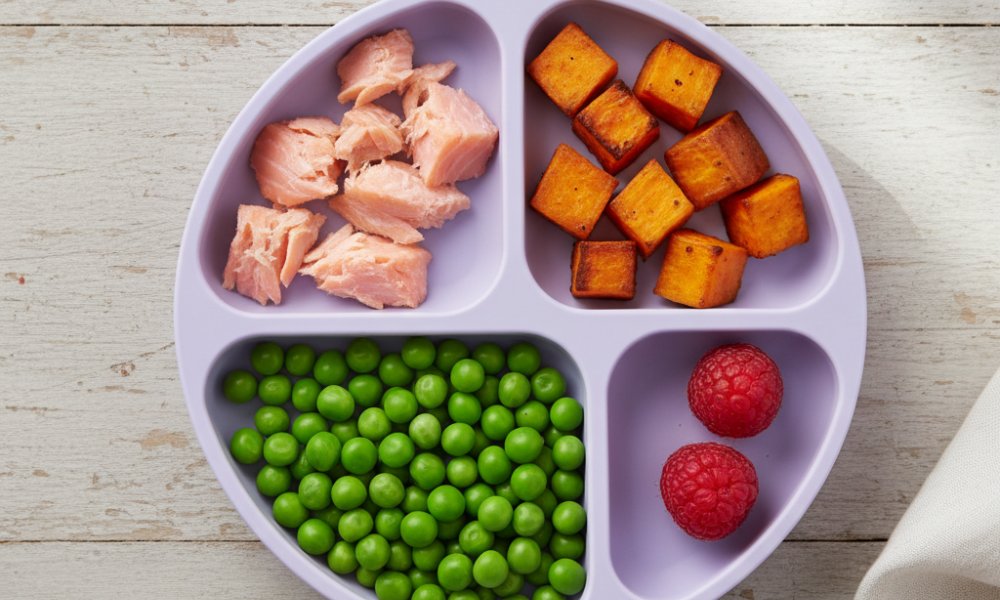
Focus on simple, smooth purees of vegetables, fruits, and iron-rich foods. Think avocado for healthy fats, sweet potato for Vitamin A, and pears for gentle fiber.
How Much Should They Eat?
Remember, food before one is just for fun... and for crucial nutrient supplementation! Start with very small amounts, perhaps just one or two teaspoons once a day. Pay close attention to your baby's cues. If they lean in for more, offer another small spoonful. If they turn their head away, clench their mouth shut, or become fussy, they're done. Never force your baby to finish a certain amount. The goal is a happy, pressure-free introduction to eating.
Be the First to Comment