



It's a moment that can send any parent into a panic: you've lovingly prepared a healthy meal, and your baby clamps their mouth shut, turns their head, or pushes the food away. A baby refusing to eat can be incredibly frustrating and worrying, but it's also a very normal part of development. Understanding the reasons behind it can help you respond calmly and effectively.
Why Your Baby Might Be Refusing Food:
- They're Not Hungry: It's the simplest reason. Perhaps they filled up on milk, or their appetite is just smaller today. Trust their cues.
- They're Tired or Uncomfortable: A baby who is sleepy, teething, or feeling unwell is unlikely to be interested in eating.
- They're Exploring Independence: Saying "no" to food is one of the first ways a baby can exert control over their world. It's a sign of their budding independence.
- They're Overwhelmed: Too much food on the plate or too much pressure from a parent can be overwhelming.
Gagging vs. Choking: Knowing the Difference
Sometimes a refusal is related to texture. It's crucial to understand the difference between gagging, which is a normal and safe reflex, and choking, which is a medical emergency.
- Gagging is Loud: The baby might cough, sputter, and their face might turn red. Their eyes may water. This is their body's natural way of protecting their airway and moving a piece of food forward in their mouth. Stay calm and let them work it out.
- Choking is Silent: A choking baby cannot cry, cough, or breathe. Their face may turn blue. This is a sign the airway is blocked and requires immediate intervention (like back blows).
Practical Tips for Managing Food Refusal:
- Stay Calm and Neutral: Don't pressure, bribe, or force. The more you react, the more it can become a power struggle. If they refuse, simply say "Okay, it looks like you're all done," and calmly end the meal.
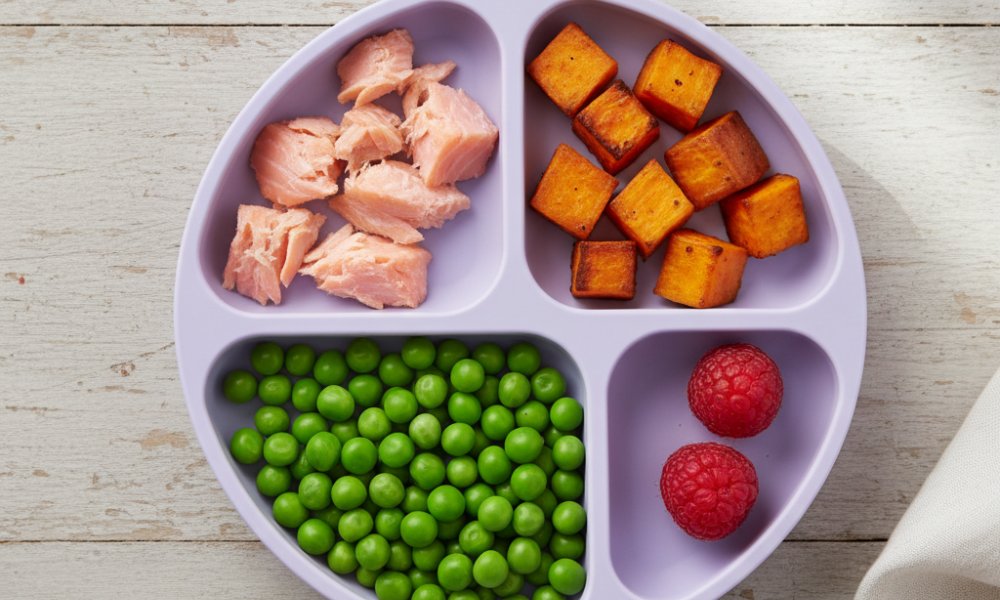
- Offer Variety and Choices: Serve a "tasting plate" with 2-3 different safe food options. This gives them a sense of control.
- Keep Portions Small: A large pile of food can be intimidating. Start with just one or two small pieces or a single spoonful.
- Rule Out Other Issues: If the refusal is sudden and persistent, check for signs of teething, illness, or constipation.
This phase will pass. The most important thing is to keep mealtimes positive and continue offering a variety of healthy foods without pressure.
Be the First to Comment